
Projects
Welcome to the CMS
Draft, build and publish posts from the admin backend powered by the hosting app.
Practical Oracle Cloud, Linux, Exadata and virtualisation guides based on real-world infrastructure experience.
Draft, build and publish posts from the admin backend powered by the hosting app.
Applies to: Oracle Linux 8 / 9, OLVM 4.x, mixed 10 Gb / 25 Gb networksOverviewWhen LACP introduces instability, particularly with some 25 Gb optics or mixed vendor switches Active-Backup (mode 1) bonding provides a simpler and more reliable alternative.Only one NIC is active a...
Applies to: Oracle Linux 8 / 9, OLVM 4.x, Cisco Nexus or MLAG-capable switchesOverviewIn an OLVM environment, Link Aggregation Control Protocol (LACP) bonding enables multiple NICs to act as a single high-performance link.This provides bandwidth aggregation and fault tolerance...

If you’ve ever lived with young kids in December, you know exactly what our house turns into two tiny Tasmanian devils counting down to Christmas Eve.Last year, my wife and I were exhausted constantly reminding them to behave so Santa will still visit. It felt like a losing ba...
Oracle Linux is a enterprise-grade operating system based on Red Hat Enterprise Linux (RHEL). It’s free to download and use, and it’s optimized for Oracle products — but you can use it for any Linux server or lab setup.In this blog, we’ll go through how to install Oracle Linux...
After installing Oracle Linux, one of the first things every system administrator needs to learn is how to manage software packages — installing, updating, and removing applications.Oracle Linux uses the DNF package manager (an improved version of YUM). It handles dependencies...
Network configuration is a fundamental part of Linux administration. Whether you’re managing a server or a virtual machine, you’ll often need to assign IP addresses, configure DNS, and manage connections.In Oracle Linux, you can manage networks using: • NetworkManager command-...
User and group management is one of the most important skills for any Linux system administrator.It’s essential for controlling who can access the system, what permissions they have, and how they interact with files and services.In this blog, we’ll cover how to create, modify,...
File permissions and ownership are at the heart of Linux security and system management. Every file and directory in Oracle Linux has a set of permissions and ownership attributes that determine who can read, write, or execute it.In this blog, you’ll learn how to: • View and u...
Modern Oracle Linux systems use systemd as their default system and service manager. The systemctl command is your main tool to control services - starting, stopping, enabling, and checking their status.In this blog, you’ll learn how to use systemctl effectively to manage serv...
Monitoring system performance is one of the key responsibilities of a Linux administrator.It helps you understand how your server is performing, detect bottlenecks, and troubleshoot issues before they become serious problems.In this blog, you’ll learn how to use essential comm...
Every Linux system administrator must know how to manage disks — from creating partitions to formatting and mounting file systems.In Oracle Linux, these tasks are commonly done using tools like lsblk, fdisk, parted, and mkfs.In this blog, we’ll walk through how to: • Identify ...
Logical Volume Management (LVM) gives you flexibility and control over disk storage.Instead of being locked into fixed partitions, LVM lets you resize, extend, or combine storage dynamically which is perfect for growing environments or virtualized systems.In this blog, you’ll ...
IntroductionAutomation saves time and reduces human error. In Oracle Linux, you can schedule repetitive tasks like backups, log cleanup, or updates using cron or systemd timers.In this blog, you’ll learn how to: • Schedule jobs using cron • Use at for one-time tasks • Create a...
IntroductionSSH is the most common method to access and manage Linux servers remotely.It allows encrypted communication between your local system and the Oracle Linux server, making it both powerful and secure - if configured correctly.In this blog, you’ll learn how to: • Inst...
A firewall protects your Oracle Linux server from unauthorized access.firewalld is a flexible firewall tool built on iptables/nftables.It uses zones and services to define different trust levels.In this blog, you’ll learn to:• Check and start firewalld• Allow or block services...
SELinux is an additional security layer built into Oracle Linux.It enforces access control policies that limit what processes can do, even if an attacker gains access to your system.While firewalld controls network access, SELinux controls system-level access between users, fi...
Logs are your system’s black box.they record everything that happens under the hood: service activity, authentication, kernel messages, and more.Oracle Linux uses two main logging systems: • systemd-journald – modern binary log manager used with journalctl • rsyslog – traditio...
Keeping your Oracle Linux system up to date is essential for security, stability, and performance.Regular updates fix vulnerabilities, improve compatibility, and ensure your server runs smoothly.In this blog, you’ll learn how to: • Check for and install updates using dnf • Man...
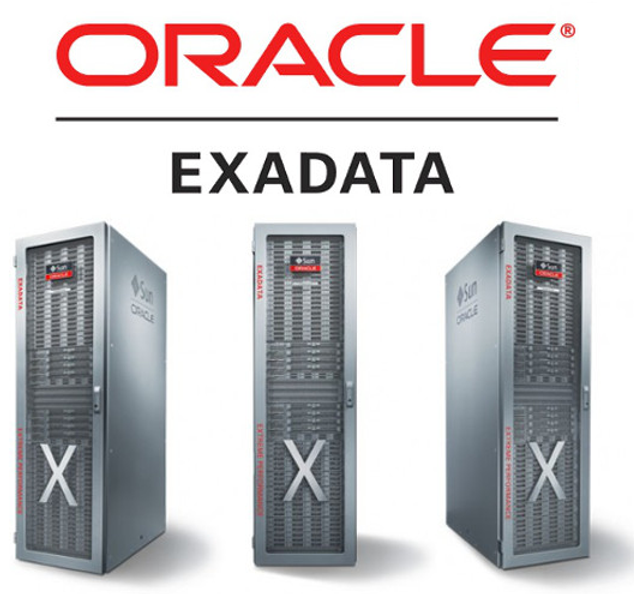
ObjectiveThis post details the end-to-end process of expanding an existing Oracle Exadata environment by integrating two additional X10 storage cells. The steps include validating system compatibility, creating grid disks, integrating with Oracle ASM, and verifying post-implem...
Looking to upgrade your Oracle Linux 7.9 system in Oracle Cloud Infrastructure (OCI) to 8.10 without having to start from scratch?You can use the Leapp utility to do an in-place upgrade, preserving your existing configurations, data, and settings. This guide walks you through ...
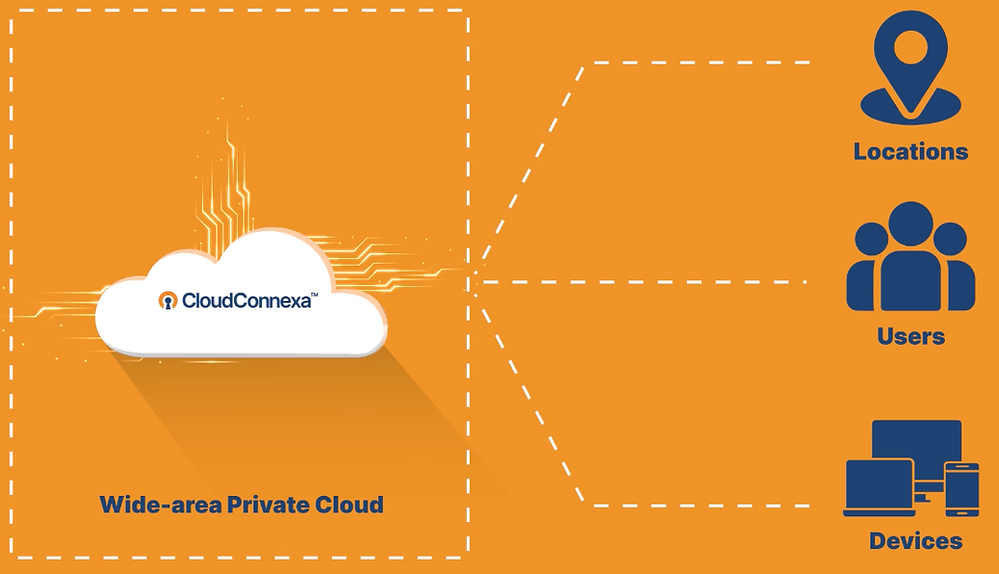
Overview of OpenVPN CloudConnexa OpenVPN CloudConnexa is a cloud-based VPN service that enables you to implement scalable and secure network access within your cloud environment. Some of the key benefits of implementing OpenVPN CloudConnexa are below, • OpenVPN is a managed se...

Author: Jason BeattieLog into console1. Navigate to Oracle base database service2. locate the relevant Instance.3. Select Console Connection4. Create Console Connetion-generate keys.5. Copy the SSH String.Open cloud Shell1. Create the private key within cloud shell.2. Paste th...

This final part of the series details how to create a load balancer in Oracle Cloud Infrastructure (OCI) and secure it by assigning an SSL certificate to its listener. This ensures secure and efficient traffic distribution for applications.Step 1: Access the Load Balancer Serv...
Author: Jason BeattieIn this section, we’ll walk through the steps to create a Certificate Authority (CA) and generate certificates in Oracle Cloud Infrastructure (OCI). These certificates will later be used to configure a Load Balancer, which we’ll cover in Part 4.Step 1: Set...
Author: Jason BeattieIn this part of the blog, we will walk through the creation of policies, dynamic groups, a Certificate Authority (CA), and certificates in Oracle Cloud Infrastructure (OCI). Follow these steps:Follow the bellows steps. We will first create the Dynamic grou...
Author: Jason BeattieIn this series, we will cover the process of creating a secure web server and enabling access through a load balancer, utilizing a self-signed certificate. The steps we will explore include: • Creating a Vault and Managed Encryption Key (MEK): Setting up s...

Author: Jason BeattieOverviewSimilar to boot volumes, block volumes can also be cloned between tenancies. This part focuses on setting up and cloning block volumes across the same region using OCI CLI.Steps to Clone a Block VolumeFollow Steps 1-4 from Part 1 to configure polic...
Author: Jason BeattieOverviewCloning a boot volume between two tenancies in OCI requires careful setup and planning. This blog outlines the prerequisites, policies, and steps to successfully clone a boot volume from a source tenancy to a target tenancy in the same region.Prere...
Author: Jason BeattieIntroductionOracle Cloud Infrastructure (OCI) has recently unveiled an updated user interface, giving the platform a refreshed look and feel. For both seasoned cloud architects and new users, the modernized layout improves navigation, usability, and effici...

Author: Jason BeattieOracle Cloud Infrastructure (OCI) CLI (Command Line Interface) is an essential tool for developers and administrators looking to interact with Oracle Cloud services via terminal commands. This tool simplifies managing cloud resources, automates tasks, and ...
Author: Jason BeattieOverviewIn this blog, we’ll introduce the key virtual networking components within Oracle Cloud Infrastructure (OCI). Understanding these components is critical when building a robust cloud environment. We will explore Virtual Cloud Network (VCN) resources...
Transit routing in Oracle Cloud Infrastructure (OCI) using Dynamic Routing Gateways (DRGs), involves setting up a network architecture that enables communication between different virtual cloud networks (VCNs) or between on-premises networks and VCNs. DRGs are used to facilita...

Author: Jason BeattieIn the rapidly evolving landscape of cloud computing, cost efficiency is now a paramount consideration. OCI provides a robust platform for hosting Oracle workloads in the cloud, and in this blog post, we will delve into the concept of workload profiles. Un...
Author: Jason BeattieThe Oracle Exadata Deployment Assistant (OEDA) tool serves the purpose of initializing the configuration of the Oracle Exadata Database Machine.Here's a step-by-step guide:Downloading OEDA:Obtain OEDA from the Oracle Technology Network (OTN). Ensure to dow...
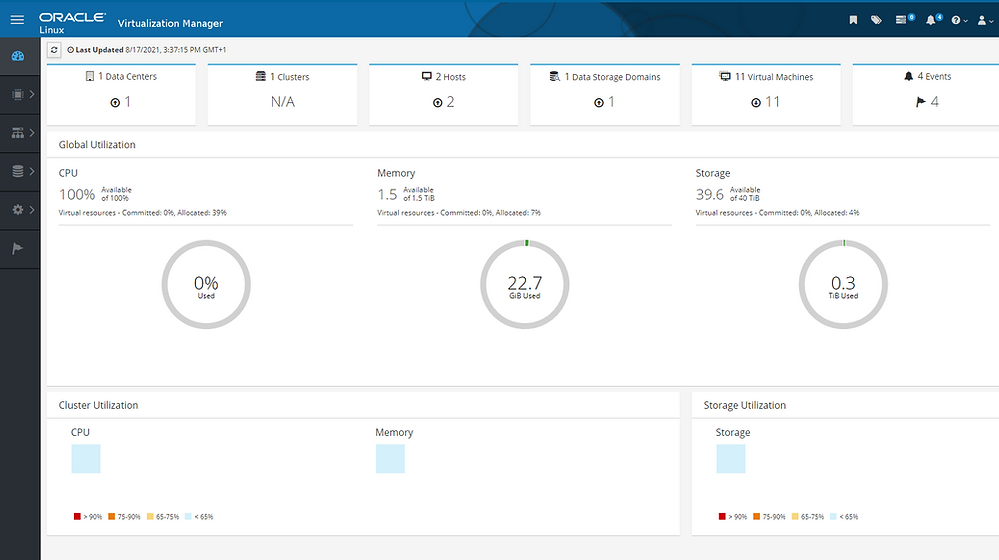
Author: Jason BeattieAs of 31st March 2021, Premier Support for OVM has ended.To replace it, Oracle has now released the new KVM-based platform, Oracle Linux Virtual Manager (OLVM). As you can see in the image below, Oracle has really improved the user interface (UI) on the ne...
Author: Jason BeattieWe found issues when trying to configure openvpn within a private subnet. Whilst connecting over a public load balancer and connecting to the OpenVPN Client.Here's how we solved it. Architecture Overview:As you can see from the below image we created:1. A ...
Get new Oracle infrastructure guides and technical deep dives when they're published.